
This post may contain Affiliate Links. Please see my Disclaimer for more details.
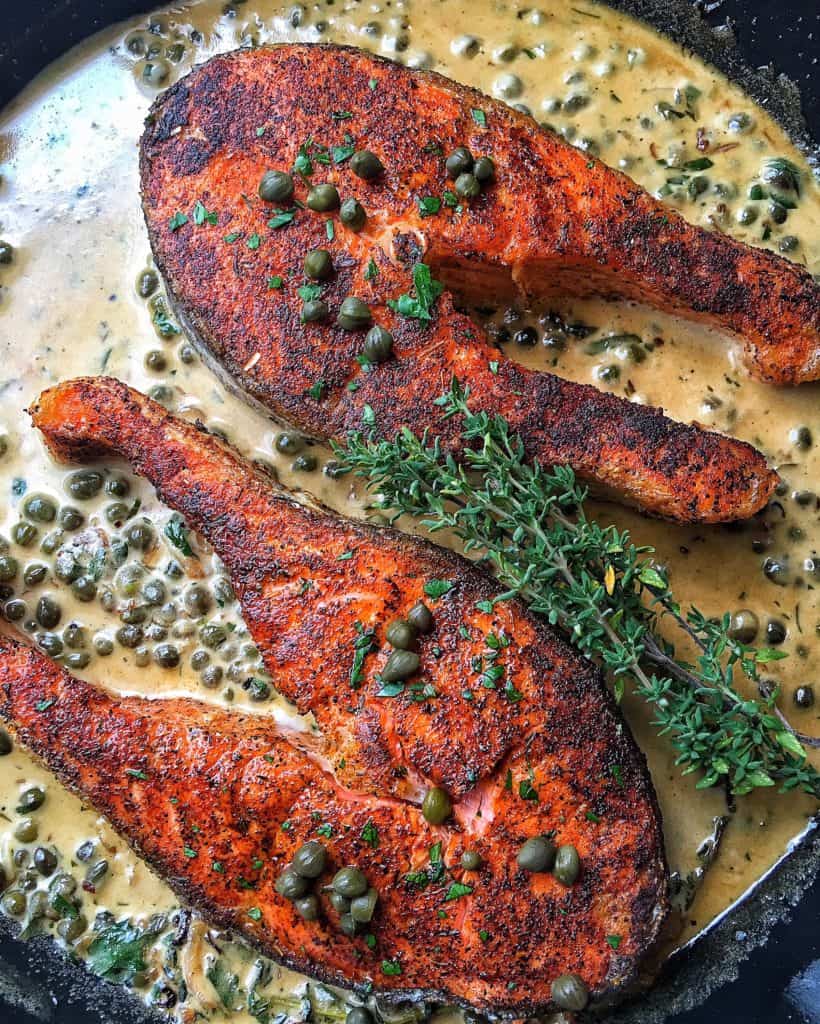
My Salmon Piccata recipe is a play on the classic chicken piccata. Lemon’s, white wine, capers, parsley, and butter. The sauce is a dance party in your mouth.
Here are some tasty sides to serve too: Southern Green Beans, Garlic Rolls, Brabant Potatoes, Boursin Mashed Potatoes, Dirty Mashed Potatoes, Air-Fryer Asparagus, and Vegetable Rice.

Recipe Video
Jump to:
What is Salmon Piccata?
Salmon piccata is a bright, pan-seared salmon dish finished with a lemony butter sauce made with capers. It’s inspired by classic Italian piccata preparations but swaps veal or chicken for salmon, creating a lighter, seafood-forward version that’s elegant yet weeknight-friendly.
This dish is one of those quick meals we all love after a busy work day or week. With only a few ingredients and some quick chopping of vegetables, dinner is ready on the table with a nice glass of white wine.
I have a creamy chicken piccata recipe for your friends who are allergic to seafood or don't care for salmon.
I wanted to do something different from how I learned to make a piccata recipe in culinary school. I wanted to add more soul and flavor to the recipe. So instead of using only salt and pepper to season the fish and sauce, I went with my Cajun seasoning, which adds better flavor. I also added some chopped rosemary to the fish as I find the light herbal flavor cuts through the fattiness of the salmon filets and adds a delightful flavor.
Next, I decided to use chopped shallots, garlic, dried thyme, and oregano for aromatics, and I chose not to use chicken broth in my sauce, instead using white wine, lemon zest, lemon juice, and heavy cream. I know who needs more richness to a dish, but maybe we'll call this Millionaire Salmon Piccata going forward. However, I still finish the dish off with capers and fresh parsley.
Let's jump into making this flavorful recipe.
Salmon Piccata Key Ingredients
Here's everything you need to make this easy salmon piccata meal.
Fresh Salmon Fillets
My go-to is wild-caught salmon, but I know that depending on your area, you may only have access to frozen salmon. That's no problem; just ensure the salmon fillets are dark orange and the bones are removed. Regardless of whether it's skinless salmon fillets or skin-on.
Capers
If you haven’t tried capers before, these little berries are sure to give you a nice, bright flavor, the same way an olive would. Think of them as little green olives.
Lemon
You'll need lemon zest and lemon juice to maximize the sauce's tangy flavor.
Cajun Seasoning
I know you usually use only kosher salt and pepper on salmon piccata, but I'm from New Orleans, so I used my Savory Low-Sodium Cajun seasoning to add more flavor.
All-Purpose Flour
Dust the salmon fillets in flour to give the fish a nice crust and a lovely golden-brown color, and to create brown bits in the skillet that will enhance the flavor of the piccata sauce.
Aromatics
I like to add as much flavor as possible to all my food, so to spruce up the pan sauce, I like to add shallots, chopped garlic, thyme, and oregano.
White Wine
The rule for cooking with wine is "if you drink it, cook with it." So that means chardonnay, Pinot Grigio, or Sauvignon blanc will work well in this dish.
Unsalted Butter
Adding cold butter to a pan sauce gives it body (texture) and a great mouth feel. It's the simple restaurant secret that most home cooks don't know.
Heavy Cream
I know most recipes call for chicken broth, but I love the creamy consistency and mouthfeel that heavy cream adds, which chicken broth cannot provide.
Fresh Parsley
Always use Italian parsley over curly parsley, unless you don't care about flavor. Italian parsleyhas a fresh, slightly peppery flavor that actually adds brightness to a dish, making it ideal for cooking and finishing sauces. Curly leaf parsley is much milder and more neutral, which is why it’s often used more for garnish than for flavor.
How To Make Salmon Piccata
Salmon piccata is a straightforward dish; make sure everything is prepped, and you'll be able to seamlessly execute, serve, and enjoy it.
Season the salmon evenly on both sides with Cajun seasoning and rosemary, then lightly dredge it in flour.
In a cast-iron skillet over medium-high heat, melt 3 tablespoons of unsalted butter and oil. In batches, sear the salmon filets for 2-3 minutes on each side until golden brown. You can place it in a 200-degree oven while you finish the sauce.
In the same skillet, add the shallots and cook for 2 minutes, then add the chopped garlic, thyme, and oregano. Stir until fragrant, then add white wine, lemon zest, and freshly squeezed lemon juice, capers, and cook for 2 minutes. Add the heavy cream and bring to a boil. Cut off the heat and stir in 2 tablespoons of cold butter and chopped parsley.
Serve salmon piccata over angel hair pasta, potatoes, white or brown rice, or a side salad, and spoon the sauce evenly over the salmon.
Storing Salmon Piccata
Store leftover salmon in an airtight container in the fridge for 5 days. You can also store the piccata sauce in a separate airtight container if you want. It'll make reheating easier, so the sauce doesn't break.
To reheat the dish, place it in a 350°F/176°C oven for 8-10 minutes, until warm to your liking. Reheat the piccata sauce in a small skillet over medium heat until hot.

Pro Tips & Tricks
Here are a few substitutions and tips to keep in mind when making this easy salmon piccata recipe.
- If you're using frozen salmon, thaw and dry it between several layers of paper towels for 1-2 hours to ensure all water is removed. When a fish is too wet, it turns to mush after it cooks.
- If you decide to use skin-on salmon for crispy skin, just make sure you remove the scales. Those scales will ruin a perfectly seared salmon every time.
- When pan-searing salmon, cook it skin-side down (if skin-on) over medium-high heat until a golden crust forms, then flip to finish. Total cook time will vary by thickness, but here’s a reliable guide:
- Rare: 120–125°F — about 2–3 minutes per side. Very soft and translucent in the center.
- Medium-Rare: 125–130°F — about 3–4 minutes per side. Tender, moist, and slightly translucent in the middle.
- Medium: 135–140°F — about 4–5 minutes per side. Fully opaque with a juicy center (my favorite).
- Well-Done: 145°F+ — about 5–6 minutes per side. Firm and fully cooked through.
- Carry-over cooking is real, so if you're going to add the fish to the oven to stay warm, reduce the cooking time by 1 minute per side. If the fish flakes easily with a fork, it’s ready to eat.
- Not a fan of salmon? Feel free to use any other fish in its place.
- Feel free to use chicken broth/stock or vegetable stock instead of heavy cream to make this dish lighter.
- If you don't have my Savory Cajun seasoning, you can use my homemade Creole seasoning instead.
- I prefer avocado oil to olive oil because of its higher smoke point. However, if you choose to cook with olive oil, ensure it's not extra-virgin. It'll burn and probably leave a rancid flavor if the skillet gets too hot.
- If you notice too many black specks in your skillet after pan-frying the salmon, wipe out the excess grease with paper towels, then add 1 tablespoon of oil to the skillet before making the lemon caper sauce.
- If you don’t drink wine regularly, there’s no point in breaking the bank. Here’s a list of inexpensive white wines that taste great. Three Wishes (Whole Foods Only), Barefoot, and Yellow Tail.
FAQ
Here are readers' top questions about making salmon piccata.
What is piccata sauce made of?
Traditional piccata sauce is built from butter, lemon juice, capers, and white wine or broth. The sauce is tangy, savory, and slightly briny, designed to cut through rich proteins and enhance, not overpower, the main ingredient.
What does piccata style mean?
Cooking “piccata-style” means lightly pan-searing a protein and finishing it in a lemon-butter-caper sauce. The technique focuses on balance: richness from butter, acidity from lemon, and salinity from capers.
What goes with salmon piccata?
Salmon piccata pairs beautifully with pasta, mashed potatoes, rice, or orzo, all of which soak up the sauce. For vegetables, think asparagus, green beans, spinach, or roasted broccolini, simple sides that won’t compete with the bold sauce.
What does piccata mean in Italian?
In Italian, “piccata” refers to meat that’s sliced or pounded thin and cooked quickly in a sauce. While salmon isn’t traditional, the flavor profile and cooking method translate perfectly to fish.
What is in salmon piccata?
A classic salmon piccata recipe includes salmon fillets, butter, lemon juice, capers, garlic, and stock or white wine, finished with fresh herbs like parsley. The result is a dish that’s rich, tangy, and deeply satisfying without feeling heavy.

More Salmon Recipes
If you love seafood, here are more recipes to try.
- Lemon Pepper Glazed Salmon
- Blackened Salmon Pasta
- Blackened Shrimp and Salmon
- Grilled Salmon Sandwiches
- Old Fashion Salmon Patties
- Grilled Cajun Salmon
Before You Begin
Here are my steps for getting organized before I start anything.
Step 1: Gather all the ingredients and place them on the counter.
Step 2: Measure each ingredient and place it into separate bowls.
Step 3: Follow the recipe instructions to make, cook, and serve this absolutely delicious salmon piccata recipe.
Click here to subscribe to MY Weekly Recipes for easy and free recipes right into your inbox!
To pin this recipe and save it for later, you can use the Pin button on the recipe card, the sharing buttons above or below this post, or any of the photos above.
Tag me @kennethtemple_ and use #LezEat on Instagram to share your remakes with me, and don't forget to leave a star rating and comment below.
📖 Recipe

Salmon Piccata
Ingredients
- 2 tablespoons avocado oil
- 5 tablespoons cold unsalted butter
- 4 6-8 oz. salmon filets
- 2 teaspoons Savory Cajun seasoning
- 1 tablespoon chopped rosemary
- ¼ cup all-purpose flour
- 2 shallots chopped
- 2 cloves garlic chopped
- ¼ teaspoon dry thyme
- ¼ teaspoon dry oregano
- ½ cup white wine
- zest and juice of 1 medium lemon
- 4 oz. capers drained
- ¼ cup heavy whipping cream
- ½ cup chopped parsley
Instructions
- Season the salmon evenly on both sides with Cajun seasoning and rosemary, then lightly dredge it in flour.
- In a cast-iron skillet over medium-high heat, melt 3 tablespoons of unsalted butter and oil. In batches, sear the salmon filets for 2-3 minutes on each side until golden brown. You can place it in a 200-degree oven while you finish the sauce.
- In the same skillet, add the shallots and cook for 2 minutes, then add the chopped garlic, thyme, and oregano. Stir until fragrant, then add white wine, lemon zest, and freshly squeezed lemon juice, capers, and cook for 2 minutes. Add the heavy cream and bring to a boil. Cut off the heat and stir in 2 tablespoons of cold butter and chopped parsley.
- Serve salmon piccata over angel hair pasta, potatoes, white or brown rice, or a side salad, and spoon the sauce evenly over the salmon.
Notes
- If you're using frozen salmon, thaw and dry it between several layers of paper towels for 1-2 hours to ensure all water is removed. When a fish is too wet, it turns to mush after it cooks.
- If you decide to use skin-on salmon for crispy skin, just make sure you remove the scales. Those scales will ruin a perfectly seared salmon every time.
- When pan-searing salmon, cook it skin-side down (if skin-on) over medium-high heat until a golden crust forms, then flip to finish. Total cook time will vary by thickness, but here’s a reliable guide:
-
- Rare: 120–125°F — about 2–3 minutes per side. Very soft and translucent in the center.
- Medium-Rare: 125–130°F — about 3–4 minutes per side. Tender, moist, and slightly translucent in the middle.
- Medium: 135–140°F — about 4–5 minutes per side. Fully opaque with a juicy center (my favorite).
- Well-Done: 145°F+ — about 5–6 minutes per side. Firm and fully cooked through.
- Carry-over cooking is real, so if you're going to add the fish to the oven to stay warm, reduce the cooking time by 1 minute per side. If the fish flakes easily with a fork, it’s ready to eat.
- Not a fan of salmon? Feel free to use any other fish in its place.
- Feel free to use chicken broth/stock or vegetable stock instead of heavy cream to make this dish lighter.
- If you don't have my Savory Cajun seasoning, you can use my homemade Creole seasoning instead.
- I prefer avocado oil to olive oil because of its higher smoke point. However, if you choose to cook with olive oil, ensure it's not extra-virgin. It'll burn and probably leave a rancid flavor if the skillet gets too hot.
- If you notice too many black specks in your skillet after pan-frying the salmon, wipe out the excess grease with paper towels, then add 1 tablespoon of oil to the skillet before making the lemon caper sauce.
- If you don’t drink wine regularly, there’s no point in breaking the bank. Here’s a list of inexpensive white wines that taste great. Three Wishes (Whole Foods Only), Barefoot, and Yellow Tail.


Luna Regina says
Oh my! That glaze is just to die for, way to go!
Joanne Hepler says
delicious!! love it made with salmon, chicken or pork. thanks for sharing your recipe
Kenneth Temple says
Your welcome!